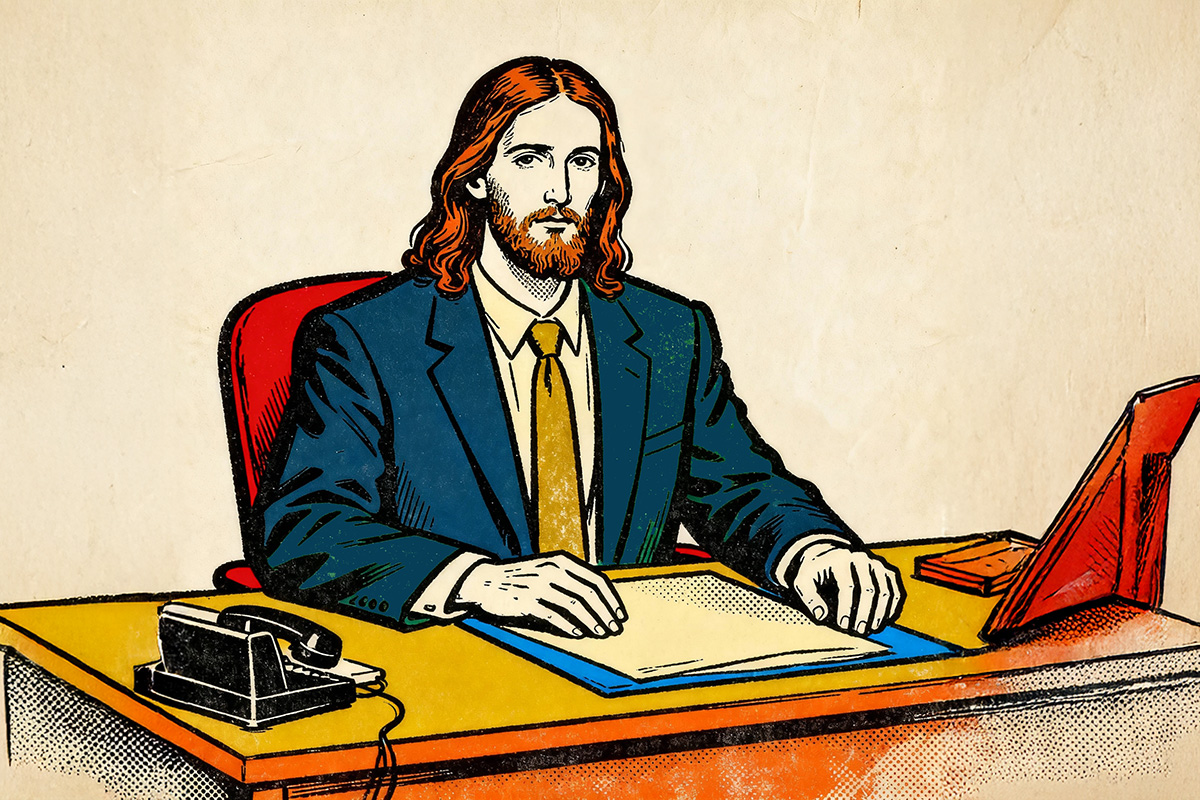
The pastor is wrapping up a powerful sermon. God’s presence is thick in the room. As he makes his final point, the band slips quietly onto the stage.
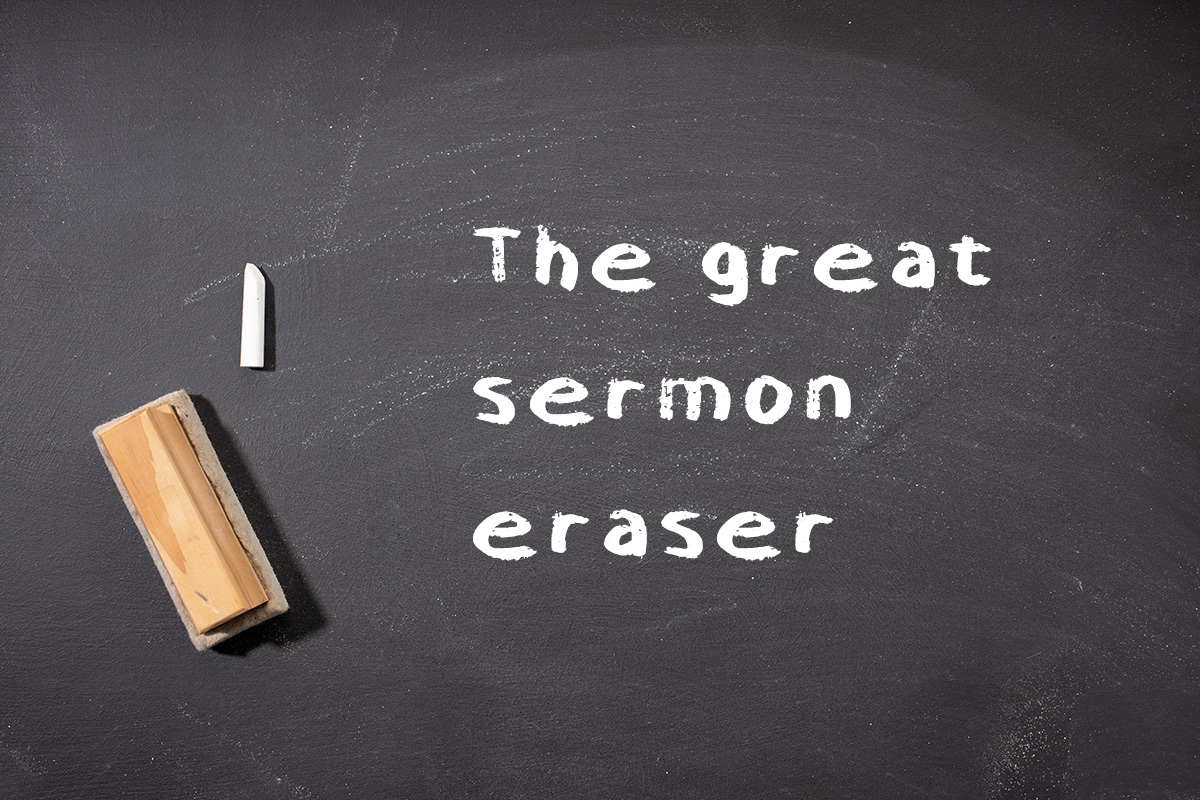
The pastor says “amen.” And the sermon eraser begins its work.
It’s common practice in Evangelical churches to conclude a worship service with a closing music set. Having heard the Word of God proclaimed, worshippers rise to their feet, singing a song or two before being dismissed.
And as they sing, the Word of God is erased from their brains.
Singing clears out the left brain
The Lord designed our brains with two hemispheres. The left hemisphere is the rational side. It processes words. You hear and interpret a sermon primarily on the left side of your brain.
The right hemisphere is the brain’s emotional side. This where singing and artistic expression are processed. (This is why a person with a speech impediment can often sing perfectly: he’s drawing primarily on the emotional side of his brain, instead of the rational side)
Singing pulls resources away from the left hemisphere and expends them in the right hemisphere. As energy floods into the emotional side of the brain, the rational side is starved of the electrical impulses it needs to form durable memory engrams. Your sermon withers for lack of energy, dying on the left hemisphere’s neural pathways.
On top of this, the human brain remembers visuals much better than words. It’s not uncommon for pastors to preach 30 to 60 minutes with zero visuals. Then the band comes up with its flashy instruments and pulsing lights. Swish, swish, swish goes the sermon eraser.
Why do we sing at the end of a service?
The closing music set gained popularity during the revival movements of the early 20th century. Evangelists discovered that singing made altar calls more effective. There’s a biological reason for this: music and emotion are both processed in the left brain. Songs like “Just as I am” generate an emotional response that subdues the rational side of the brain, enabling penitents throw aside their inhibitions and walk down the aisle.
Closing worship sets are a prime example of a church practice that’s outlived its usefulness. “We’ve always done it that way,” we tell ourselves. Or we dress up our beloved tradition in Christianese: “The Preaching of God’s Holy Word Deserves a Song of Response.”
No, the Preaching of God’s Holy Word deserves obedience. And it’s hard to obey a sermon that’s been erased from your memory.
I love a good sermon that challenges me. I want to think about it. Pray about it. Internalize it. Consider its main points. Chart a course of action.
But when I see the band returning to the stage after the sermon, I feel a pang of irritation. Now I know why: I won’t have an opportunity to meditate on what I just learned. It’s about to be wiped from my memory.
How to conclude a worship service
If you are not offering an altar call, don’t call the band forward. Instead, conclude your sermon with a Pastor’s Challenge: a specific call-to-action based on your message’s central point. Put it up on the screen. Ask people to shoot it with their phones and talk about it in the car as they drive home. Leave it up on your livestream to reinforce the key point of your message.
It may feel a little weird at first, but eventually your congregation will come to appreciate not being asked to sing at the end of the service – especially the men.
If you DO offer an altar call, a closing music set is still helpful. A simple, instrumental music bed might suffice. If you choose a song with lyrics, make sure it focuses on commitment. I Have Decided to Follow Jesus was the most common altar call tune of my youth. It was very effective because the singer literally speaks the desired outcome lyrically: a decision to follow Jesus.
Work with the brain to implant your message
I often say, “It takes 15 hours to prepare a sermon – and 15 minutes for people to forget it.” Post-sermon worship sets are a major reason people often forget everything they heard in church by the time they reach the parking lot.
Finish the sermon strong. Let God’s word sink in and do its work.
David Murrow, The Online Preaching Coach, is the author of Why Men Hate Going to Church and many other bestselling books. David is an award winning television producer whose work has been seen on ABC, NBC, PBS, CBS, Discovery Networks, BBC World Service and dozens more. He trains pastors how to make their sermons more watchable, memorable and shareable online.