Are we using technology to simulate God’s presence?
In the early 1980s Microsoft introduced Flight Simulator, a program that allows computer users to pilot a virtual airplane. With keyboard and joystick in hand, the user can take off, set a course, change altitude, avoid traffic, and land the plane all from the comfort of their PCs. A 1983 review in BYTE magazine praised Flight Simulator, saying “this amazing package does an incredible job of making you think you’re actually flying a small plane.”
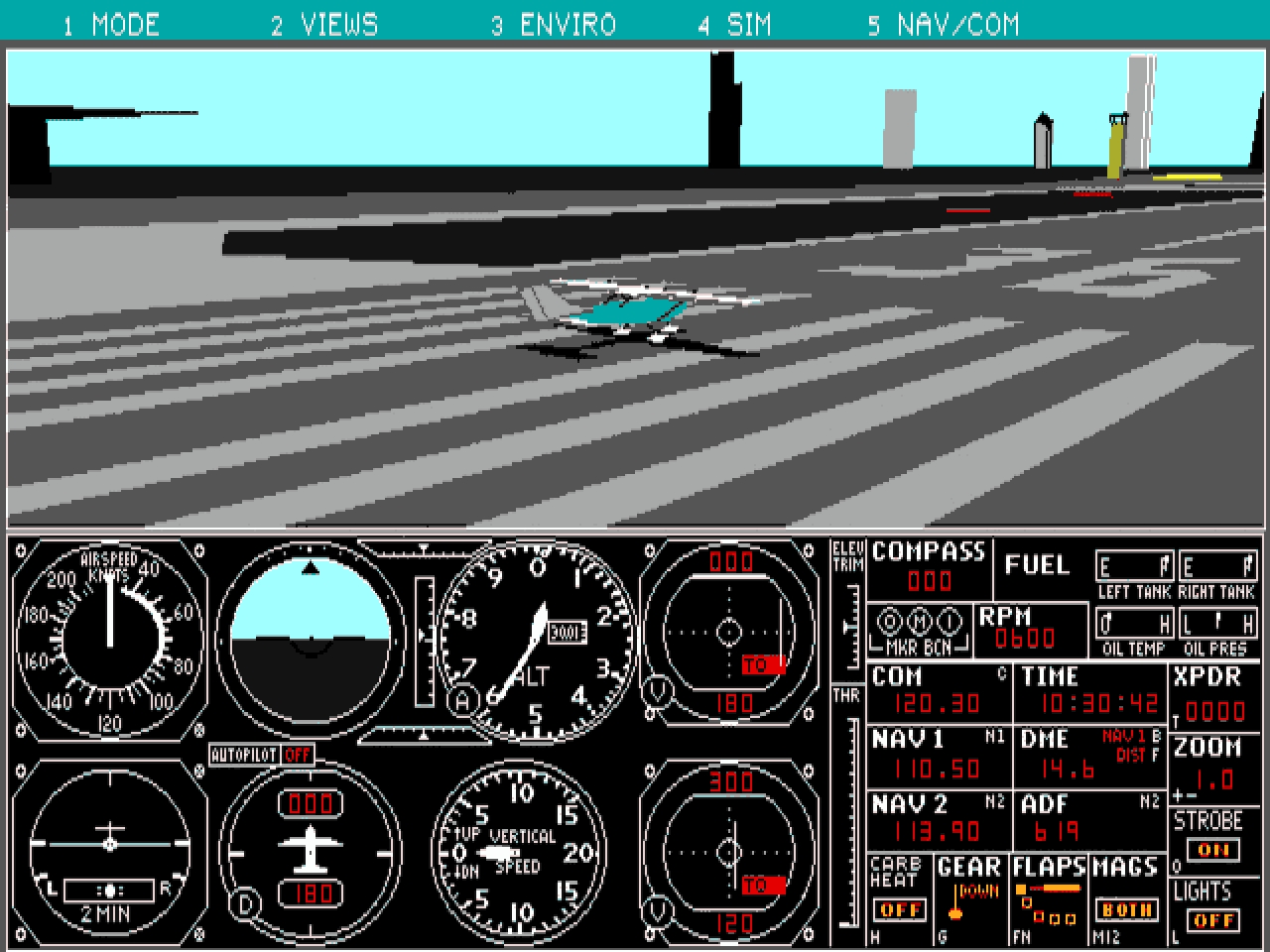
Flight Simulator 1.0 (1982)
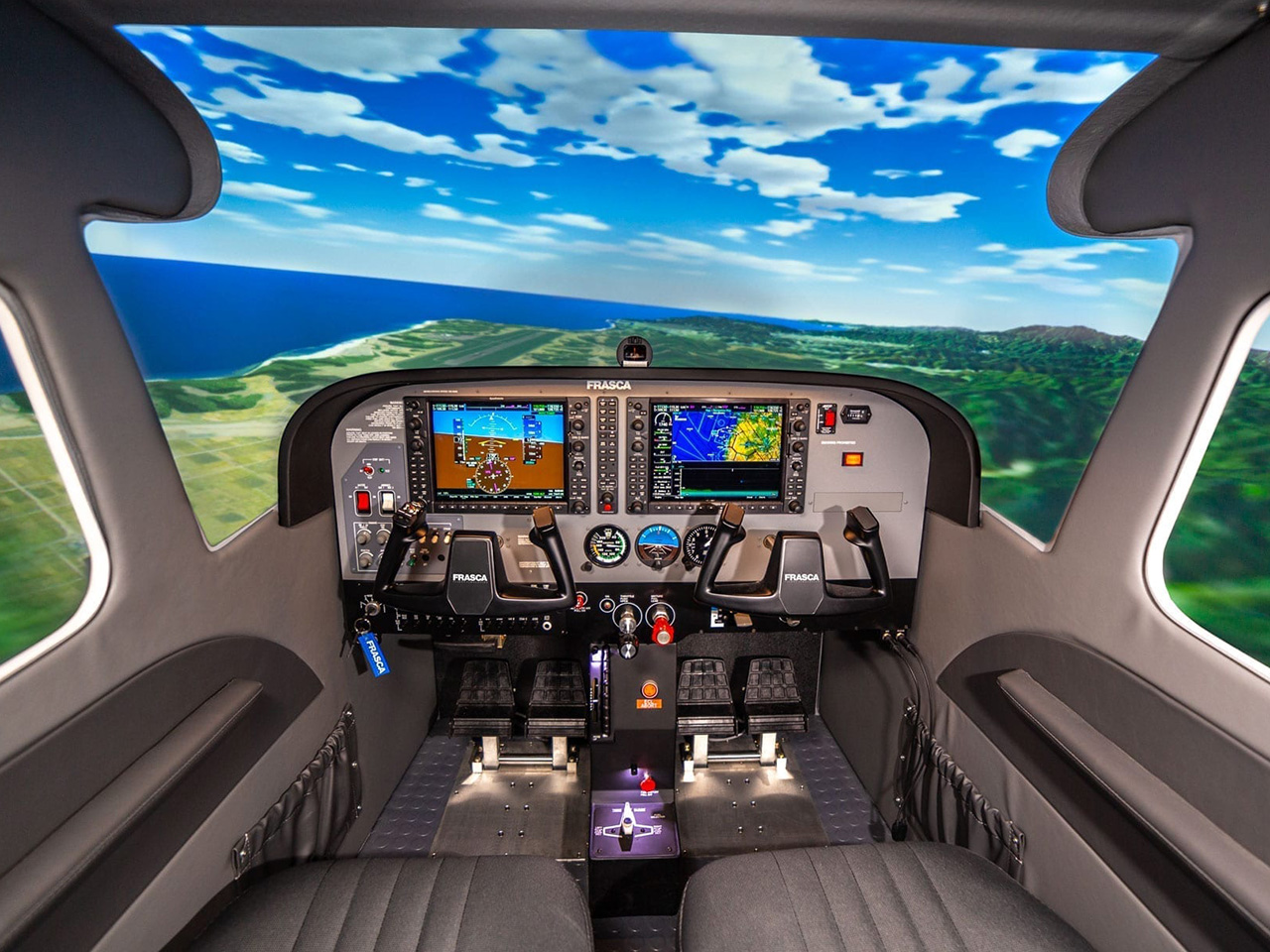
Flight Simulator 2024
With each subsequent release, the Flight Simulator experience has gotten more and more realistic. Over the years Microsoft added commercial jets, fighter jets, helicopters and gliders to the mix. The graphics have gotten more and more realistic. The most recent release works with virtual reality goggles and gaming chairs to deliver a full body experience that feels almost real. It gives users the thrill of flying, without the costs and risk involved in piloting a real plane.
The dawn of the Christianity simulator
About the same time Flight Simulator 1.0 took off, a new kind of church appeared: the contemporary megachurch. And like Flight Simulator, it was a HUGE hit. While traditional churches experienced steep declines, megachurches grew smartly. Worshippers loved megachurches for the quality of their preaching, praise music and programs (especially for kids and teens). As a result, almost every church planted in the last 50 years is a clone of the 1980s megachurch.
These large congregations began investing in modern staging technologies to enhance the worship experience. Smaller churches followed their lead. Their motives were pure: reach the younger generation. But as our weekly worship services become more technologically driven, we may be unwittingly creating a Christianity Simulator – a thrilling experience that gives us the feeling of knowing Jesus, with none of the costs or risk involved in following Him.
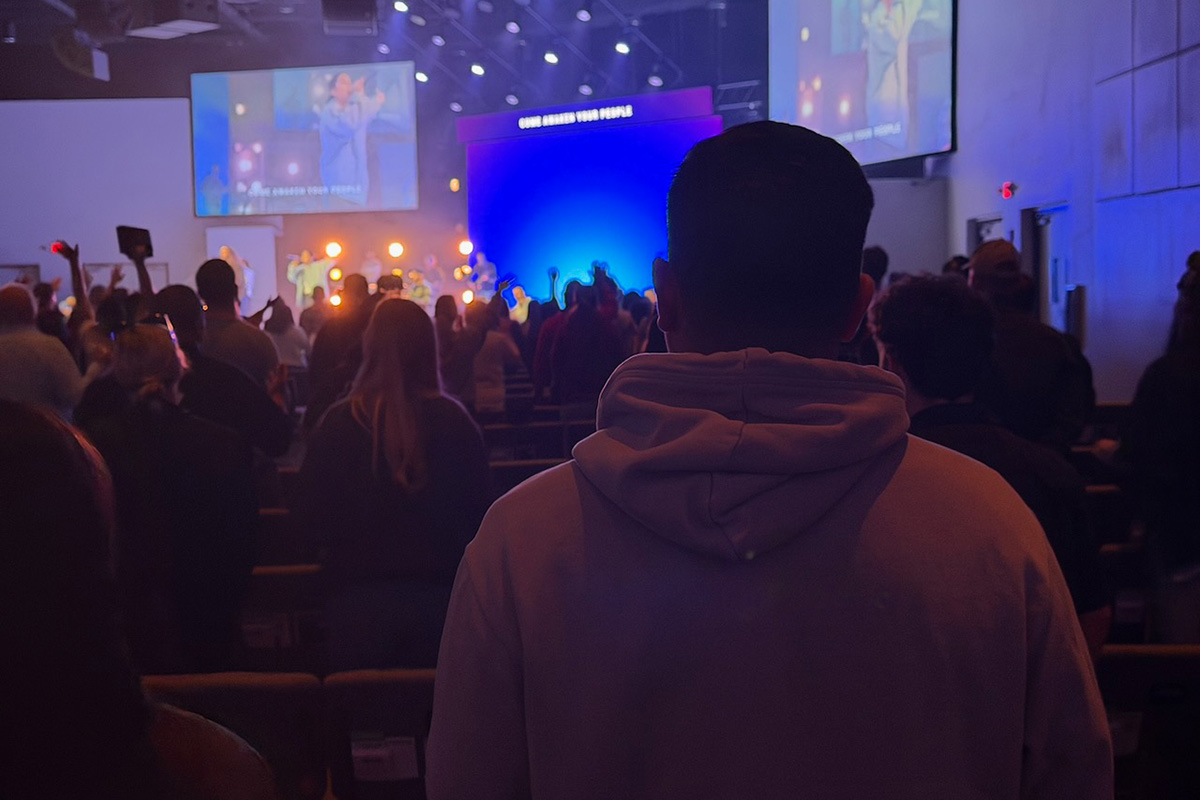
Churches are going all-in on immersive, multisensory worship experiences. Trend-setting megachurches deploy the same special effects you’d encounter in a rock concert: pulsing lights, artificial smoke, video projection and pounding beats. Massive video walls dominate their stages, while enormous screens project lyrics, professionally produced videos and magnified “hero” images of musicians and speakers.
Smaller churches are stretching their budgets trying to keep up with the megachurches. Collectively America’s churches spend an estimated $600 million a year on staging, lighting, sound and special effects. Some are trimming their mission budgets to invest in video walls, computer-controlled lighting and broadcast-quality cameras. These things are seen as necessary to reach the next generation for Christ.
Enter the simulator
Before worshippers enter the simulator (aka the service) they’re strongly encouraged to drop their kids off at a separate children’s church. This is important – you don’t want squealing or unruly children distracting the adults during the simulation.
Once the kids are dispatched the adults gather in an auditorium that feels more like a theater than a church. The room is dark. A light haze fills the air. Everyone stands as the worship leader dives into a tightly planned worship set. Beams of heavenly light pierce the smoke while musicians skillfully vary the volume, tempo, and crescendos to create what I call the Worship High — a euphoric feeling many Christians associate with God’s presence.
After a couple of sets the musicians leave the stage while a professional quality video “bumper” plays on massive screens. Then the pastor takes the stage. He’s the brightest object in the room, bathed in beams of angelic light. His image is projected on an enormous screen — an imposing, godlike presence looming over the crowd. Indeed, the pastor may not even be in the building, teleported through time and space via video. One church in Florida uses holographic projection to make its pastor magically appear on stage in 9 different locations at once. (Reminds me of Jesus after His resurrection).
The pastor lectures for anywhere from 30 to 60 minutes, offers a benediction, and the lights come up. The crowd exits as they would for any theatrical presentation. And that’s it. The service is over. See you next week and bring a friend.
Now, let me be clear: nobody is trying to create a simulator. Very few church leaders are excited by technology. They just want to make disciples. But they feel trapped: the “successful” churches seem to have gone all in on tech and special effects. So they follow the market leaders.
But here’s the truth: many churches that look successful on the outside are struggling to fill their cavernous auditoriums. Their elaborate stage shows produce attendees, but not many disciples.
If we want to get people out of the simulator and flying real missions, we’re going to have to do church differently. We need a church that puts less energy into the Sunday morning simulation, and more energy into daily community and coaching. I’m working on just such a church. Read on…
It’s time to get real again
I’m in the planning stages of a church model that breaks every rule of modern church planting. It’s anything but a simulator. It’s a church with:
- No preacher
- No sermon
- No worship band
- No special effects
- No children’s church
- No campus or building
Instead, we meet once a week in a rented space. We spend most of our gathered time being a community – and just 30 minutes looking at a stage. Kids and parents learn the same brief, shareable lesson, which I call The Game Plan. Then every morning you get an electronic Playbook that teaches you how to live out what was preached. It includes Bible readings, faith building exercises and devotions families can share together. There’s also a third element: The Locker Room where people can share prayer requests, questions, and fellowship for a few minutes each day. These chats are moderated by coaches, mature Christians who are the disciple makers.
Interested? Comment below, or sign up for my e-newsletter to follow our progress.
David Murrow, The Online Preaching Coach, is the author of Why Men Hate Going to Church and many other bestselling books. David is an award winning television producer whose work has been seen on ABC, NBC, PBS, CBS, Discovery Networks, BBC World Service and dozens more. He trains pastors how to make their sermons more watchable, memorable and shareable online.