In 1969, Sears Roebuck & Co. was the world’s largest retailer. Sears boasted more than 2,000 locations in the United States alone, and a catalog operation that generated millions in sales each year. One percent of the U.S. economy went through the cash registers at Sears.
Forty-nine years later, Sears filed for bankruptcy. As of July 2023, just 11 Sears stores remained in the United States.
Why did Sears go from dominant to dead in just five decades?
The retailing marketplace changed. Sears didn’t.
Here’s what killed Sears:
The way people discovered goods and acquired them shifted — away from shopping malls and paper catalogs to big-box retailers, discounters, and the Internet.

Sears was beaten by nimble competitors who skillfully placed their goods and services in these new marketplaces, where the customers are.
The problem with Sears wasn’t its merchandise. It was their retailing format. Their customers departed and turned their attention to a new marketplace. Sears was stuck in the old marketplace. People don’t buy products they don’t see. Sears died from being ignored.
Christianity isn’t being rejected. It’s being ignored.
Here’s the parallel to the church:
In the 1960s, the American church reached new peaks in religious identification, volunteerism and involvement. But around the year 2000, a period of rapid de-churching set in. Here’s what’s driving the decline:
The way people discover ideas and acquire their values shifted during the early 2000s, from the lecture hall to the Internet.
The church is being beaten by nimble competitors who skillfully place their ideas and values in this new marketplace, where people spend 20-40 hours a week.
Yes, we record our sermons and post them online, but they’re quickly overwhelmed by secular content that’s custom built for the new marketplace of ideas. We offer a great message – but talking head lectures aren’t built for online viewing.
The audience is departing. People don’t adopt values they don’t know about. Churches are dying from being ignored.

Meanwhile, the new marketplace of ideas is exploding. The Web favors those who can communicate quickly, simply and visually. It’s dominated by microcontent: blog posts, TikTok style videos, memes, social media posts, TED talks, etc.
The Internet is evangelizing the young, including the kids growing up in your church. Activist influencers are dripping microcontent into our brains, substituting the timeless values of scripture with trendy, heterodox ideas that are leading us astray and dividing us into warring tribes. These ideas are easy to watch, remember and share with others.
The church is largely absent from the new marketplace of ideas, because our weekly monologue sermons are designed for the old marketplace of ideas. A 30- to 90-minute message with a slow introduction, no visuals, obscure historical references and multiple points has little chance of being watched and shared with others online.
By presenting God’s Word in straight-lecture form, we are making the same mistake Sears did: hiding our product (new life in Christ) in our emptying buildings. Sears stuck to its retail format even as its stores emptied. And the church is sticking with its preaching format, even as our buildings empty and our children leave the faith.
I’m not saying that we need to compromise our message or shorten it to the point of absurdity. The world isn’t looking for clips of dancing pastors.
But we do need to up our game in the new marketplace of ideas. And that’s going to require a somewhat different approach to preaching and teaching.
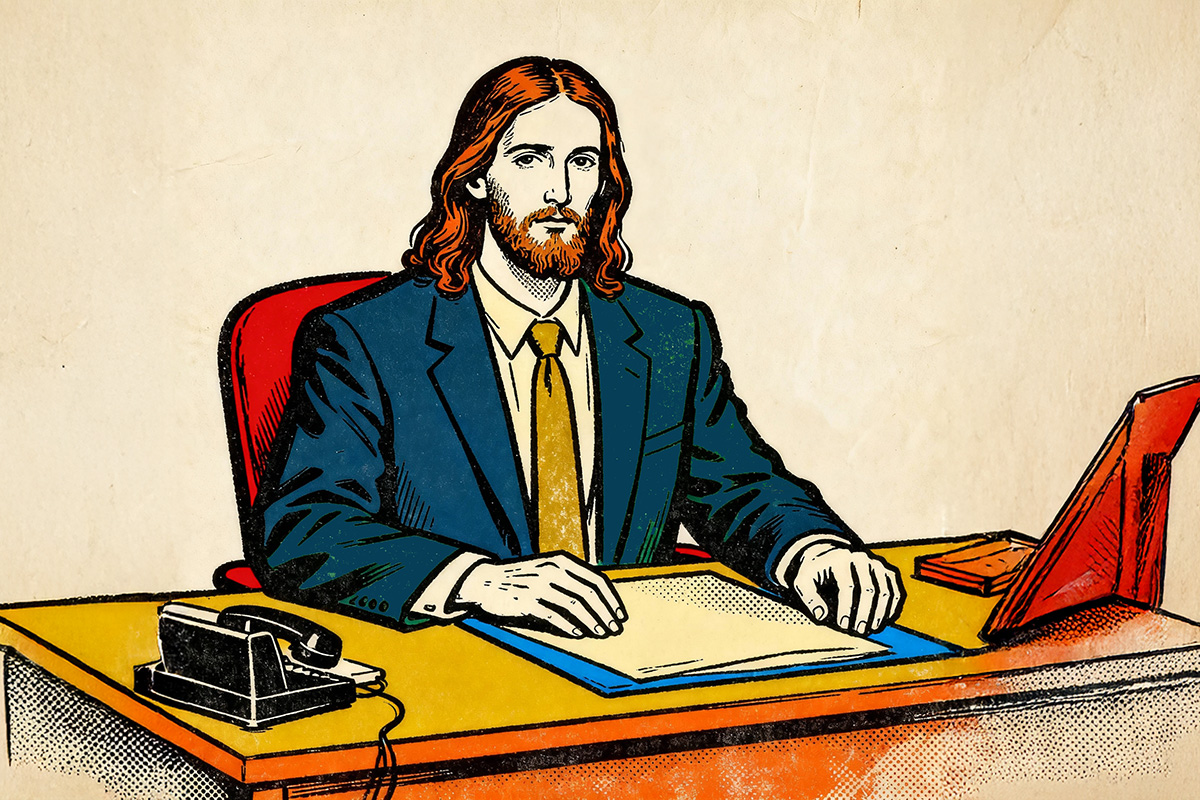
Fortunately, we have a role model. I know of an early Christian teacher who was the master of short, visual, memorable teaching.
His name was Jesus.
But I like sermons the way they are!
Those of us who’ve grown up in church this may find this a hard pill to swallow. We like sermons the way they are. We feel a rush of anticipation as the Man of God ascends to the pulpit, a well-worn Bible cradled in his hand. He begins to speak:
“Well good morning church. It is so good to see all of you today, and I pray you’ve had a blessed week.
“This morning we continue our study of the book of Acts, and today we’re in Acts chapter fourteen. For those of you who have your Bibles, please turn to Acts 14. We will begin in verse twenty-four:
‘They passed through Pisidia and came into Pamphylia. When they had spoken the word in Perga, they went down to Attalia. From there they sailed to Antioch, where they had been entrusted to the grace of God for the work that they had accomplished. When they had arrived and gathered the church together, they began to report all the things that God had done with them and how He had opened a door of faith to the Gentiles. And they spent a long time with the disciples.’
“Now, let me stop here and show you a map of this route. Pisidia is located in modern day Turkey…”
Longtime churchgoers love these academic-style sermon introductions. They feel like preaching to us.
These types of sermons still work (sort of) in a church service because the pastor has an attention monopoly. He’s the only one allowed to speak. He’s the most interesting thing in the room. Every chair is pointed toward him. Distractions are minimized. And nobody leaves until he’s done.
But there’s no attention monopoly online. Sermons are one of a billion different things people can watch. And your online “congregation” can leave the room with the flick of a finger.
We are preaching the word – to an emptying mall. Meanwhile our competitors are preaching their gospel in the new marketplace of ideas. And they’re winning the culture.
Fight back with Great Online Preaching
Pastor, are you ready to contend for the Gospel in the new marketplace of ideas? Let me show you how to create sermons that are watchable, memorable and shareable online. I offer a free online course titled THE NINE COMMANDMENTS OF GREAT ONLINE PREACHING. The course takes less than an hour to complete, and you’ll learn 9 key skills that will make you a better communicator – both online, and in-person.
David Murrow, The Online Preaching Coach, is the author of Why Men Hate Going to Church and many other bestselling books. David is an award winning television producer whose work has been seen on ABC, NBC, PBS, CBS, Discovery Networks, BBC World Service and dozens more. He trains pastors how to make their sermons more watchable, memorable and shareable online.